Introduction
Having beautiful, shiny, and strong hair is not just a matter of genetics; it is largely about how you treat your strands daily. Many people struggle with common issues like hair thinning, breakage, and dullness, often caused by improper routines and environmental stressors. In the modern world of 2026, we understand that a “one-size-fits-all” approach doesn’t work. However, there are fundamental steps that can transform any hair type from damaged to dazzling.
This ultimate guide will walk you through the essential steps and professional tips to build a hair care routine that actually delivers results.
1. Understanding Your Hair Type

Before you start applying products, you must understand your hair’s unique needs. Is your hair oily, dry, or a combination? Is it curly, wavy, or straight? More importantly, consider your hair’s porosity—how well it absorbs moisture. High-porosity hair needs heavy creams and oils to lock in hydration, while low-porosity hair requires lightweight, water-based products to avoid buildup. Identifying these factors is the foundation of a successful routine.
2. The Golden Rule of Washing: Less is More

One of the biggest mistakes is over-washing. Washing your hair everyday strips away natural oils (sebum) that protect the scalp and keep the hair moisturized. For most hair types, washing 2 to 3 times a week is ideal. When you do wash, focus the shampoo on the scalp only—where the oil buildup happens. Let the suds rinse through the ends naturally to avoid over-drying them. Always use sulfate-free shampoos to maintain the hair’s natural integrity.
3. Conditioning: The Protection Phase
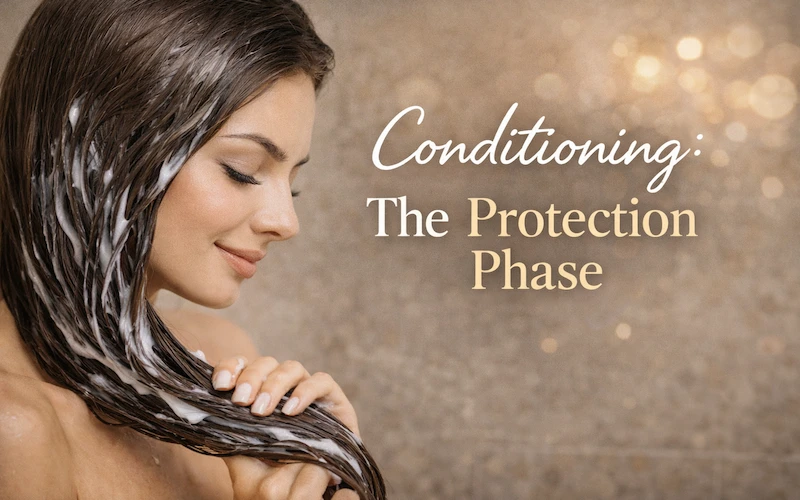
Conditioner is not optional. It seals the hair cuticle, which helps prevent frizz and protects the inner core of the hair shaft. Apply conditioner from the mid-lengths to the ends, avoiding the scalp to prevent greasiness. For an extra boost, use a wide-tooth comb to distribute the product evenly while in the shower. This also makes detangling much easier and reduces breakage during the drying process.
4. Deep Conditioning and Hair Masks

Once a week, treat your hair to a deep conditioning mask. This is especially important for those who use heat styling tools or have color-treated hair. Look for masks containing ingredients like Argan oil, Keratin, or Shea butter. These ingredients penetrate deep into the hair fiber to repair damage and restore elasticity. Think of this as a “spa day” for your hair that repairs a week’s worth of stress in just 20 minutes.
5. Heat Protection: A Non-Negotiable Step
If you use blow dryers, flat irons, or curling wands, a heat protectant spray is your best friend. High temperatures can literally cook the proteins in your hair, leading to “split ends” and a straw-like texture. A good heat protectant creates a barrier that minimizes moisture loss. Pro-tip: whenever possible, air-dry your hair up to 70% before using a hair dryer to reduce the total heat exposure time.
6. Scalp Care is Hair Care
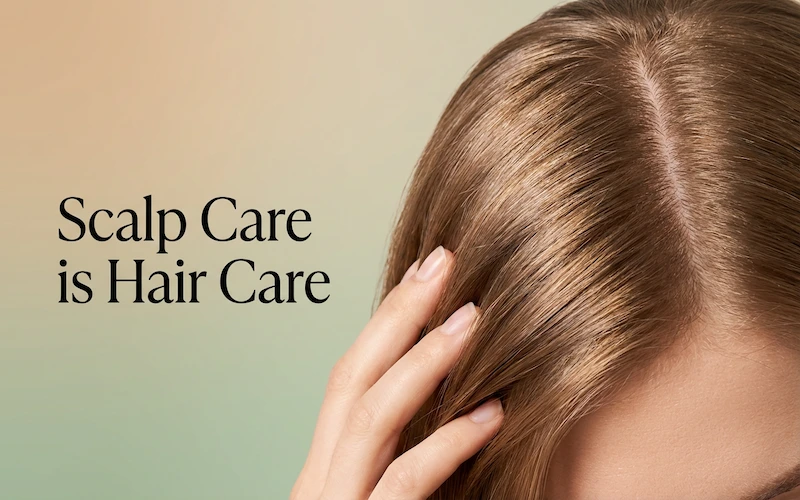
Healthy hair grows from a healthy scalp. If your scalp is clogged with product buildup or suffers from dryness, your hair growth will be stunted. Incorporate a scalp massage once or twice a week using a scalp-scrubber or just your fingertips. This stimulates blood circulation, which brings more nutrients to the hair follicles, encouraging faster and thicker growth.
7. The Role of Nutrition and Hydration

No matter how many products you use, hair health starts from within. Your hair is primarily made of a protein called Keratin. Therefore, a diet rich in protein, Biotin, Iron, and Omega-3 fatty acids is essential. Foods like eggs, salmon, spinach, and nuts provide the blocks for strong hair. Additionally, staying hydrated ensures that your scalp doesn’t become dry and flaky.
Conclusion
Building a hair care routine takes patience and observation. By following these 7 steps, you are giving your hair the environment it needs to thrive. Remember, consistency is the secret ingredient. Stick to your routine, be gentle with your strands, and you will soon see the transformation in the mirror.